Wondering if Your Child's Behavior Is Typical?
Typical Behavior:
Behaviors that are expected for a child's age and developmental level and occur as children mature and learn new skills. They commonly improve with time.

Many challenging behaviors are a normal part of childhood. The key is recognizing when behaviors become unusually frequent, intense, or interfere with everyday life. This guide can help you understand the difference.
Occasional tantrums
Temporary defiance
Sometimes loses their temper
Tests limits
Expresses emotions through crying
Usually responds to guidance

Challenging Behavior:
A persistent pattern of behavior that is outside the expected range for a child's age and developmental level and may interfere with daily functioning.
Frequent or prolonged tantrums
Severe aggression toward others
Self-injury
Behaviors that interfere with school or friendships
Repetitive or unusual vocalizations
Emotional reactions that seem extreme for the situation
How can parents help change typical child behavior?
While children rarely want to change their behavior, parents can:
1. Share clear expectations for behavior ahead of time
2. Give more attention to good behaviors
3. Respond calmly and consistently to misbehaviors
This helps kids learn that good behavior “works” better than
acting out.

Seattle Children’s
First Approach Skills Training
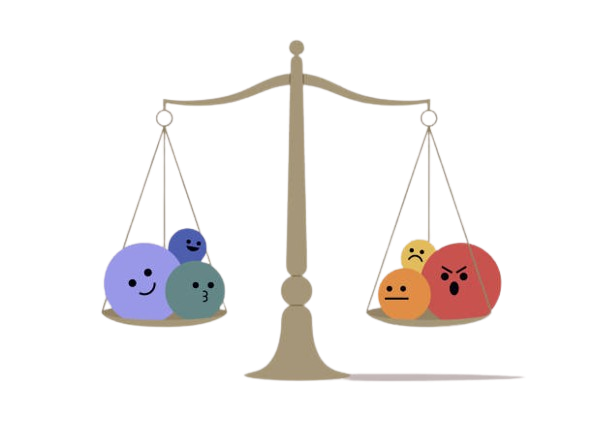
Practical strategies for promoting emotional regulation:
Help Your Child Recognize Their Feelings
Teach your child to notice the early signs of frustration or anger before emotions become overwhelming. Practice calming strategies together, such as deep breathing, counting, or taking a short break.
Validate Their Emotions
Let your child know that their feelings are real and accepted, even when their behavior needs guidance. Naming emotions ("I can see you're frustrated" or "It looks like that change was really upsetting") helps children build emotional awareness.
Offer Choices
Providing simple, structured choices gives children an appropriate sense of control while keeping expectations clear. For example, "Would you like to do homework first or have a snack first?"
Encourage Breaks
Teach your child that it's okay to ask for a break when they feel overwhelmed. A short pause can prevent frustration from escalating and helps build healthy self-regulation skills.
Create a Calm Space
Designate a quiet, comforting area where your child can go to relax and regulate their emotions. This space should be a supportive tool—not a punishment.
Respect Self-Regulation Strategies
If your child uses behaviors such as stimming to regulate themselves, allow these behaviors when they are safe and appropriate. Self-regulation is an important part of emotional well-being.
Model coping skills
When your child pushes your buttons, show them it’s OK to take a moment to breathe and make a plan before responding.
Example: “I’m overwhelmed. I need to take a minute.”