Your Mental Health Matters
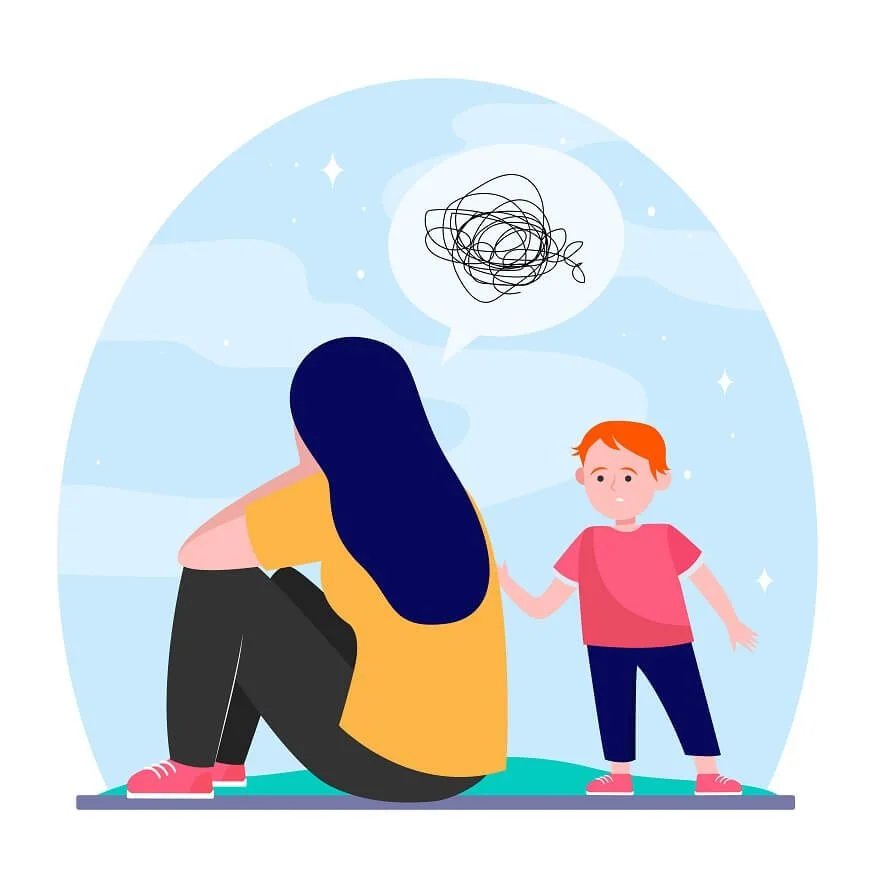
Caring for yourself, so you can care for your child
Strategy #1: Cognitive Reframing
When challenging behaviors arise, try shifting your perspective. Instead of asking, "Why is my child behaving like this?" remind yourself:
My child is having a hard time, not giving me a hard time.
This moment is temporary—it will pass.
Focus on your child's overall growth rather than one difficult day.
Celebrate the small wins. Every positive interaction and step forward matters.
“Finding the good inside can often come from asking ourselves one simple question: “What is my most generous interpretation of what just happened?”
― Becky Kennedy, Good Inside: A Guide to Becoming the Parent You Want to BeStrategy
Strategy #2: Practice Mindfulness or Meditation
Research shows that mindfulness and meditation can help reduce stress and improve emotional regulation.
A few minutes each day can help you:
Pause before reacting during stressful moments.
Build patience and emotional resilience.
Stay present and connected with your child instead of getting caught up in worry.
Strategy #3: Take a Break When Overwhelmed
When we become frustrated and yell, it teaches the children in our care to yell when they are frustrated.
Physical punishment such as spanking is not constructive. When we are angry and we hit a child, that child is more likely to behave aggressively.

💙 Your mental health matters.
Parenting can be emotionally demanding, especially when raising a child with developmental or behavioral challenges.
Anxiety, depression, stress, or past experiences may make parenting feel more difficult—but these experiences are common and treatable.
💙 Seeking support is a strength.
Talking with your healthcare provider, counselor, or support group can improve both parent and child well-being.
Taking care of yourself helps you be more emotionally available for your child.
Remember: You don't have to be a perfect parent—being a supported parent makes a difference.